Crowd-Pleasing Vegan Caesar: Tangy, Creamy, No Anchovies!
The classic Caesar salad holds a cherished spot in culinary hearts worldwide. Its iconic creamy dressing, crisp romaine, and crunchy croutons are an irresistible combination. However, for many, the traditional recipe's inclusion of raw egg yolks and anchovies presents a barrier – whether due to dietary preferences, ethical choices, or simply a disinclination for those specific ingredients. Enter the magnificent **vegan caesar salad**! This plant-based marvel delivers every bit of the tangy, savory, and velvety experience you crave, all without a single animal product. It's not just a compromise; it's a revelation that satisfies vegans, vegetarians, and even the most ardent traditionalists, proving that a truly exceptional Caesar doesn't need anchovies to be utterly unforgettable.
The Secret to Silky, Tangy Perfection: Crafting Your Vegan Caesar Dressing
The magic of a truly remarkable Caesar, vegan or otherwise, lies in its dressing. Achieving that characteristic rich, emulsified texture and punchy flavor profile without eggs or anchovies might seem like a formidable challenge, but it's surprisingly simple with the right star ingredient: raw cashews. While other plant-based options like tofu, vegan mayonnaise, or aquafaba can work, blended raw cashews consistently yield the most superior, velvety-smooth base with a subtly neutral flavor that allows the other vibrant ingredients to shine.
To unlock their full potential, cashews should be soaked before blending. A quick hot water soak for 15-30 minutes, or an overnight cold soak, softens them perfectly, ensuring a lump-free, luxuriously smooth dressing. Once softened, these little powerhouses are processed in a high-speed blender with a symphony of flavor agents designed to mimic and even surpass the "real deal."
The tangy-salty-umami balance is crucial, and it’s meticulously built through a combination of ingredients that hit all the right notes. Garlic, whether fresh for a sharper kick or roasted for a sweeter, mellower undertone, provides aromatic depth. Dijon mustard lends its signature tang, sharpness, and a subtle spice. Miso paste is a game-changer here, infusing the dressing with a profound umami richness and a savory depth that brilliantly replaces the fishy notes of anchovies without any hint of anchovy flavor itself. Capers and their brine are another critical component, contributing the briny, salty punch that evokes the traditional dressing's complexity. A squeeze of fresh lemon juice or a splash of apple cider vinegar brightens everything with essential acidity, while a good quality olive oil adds a desirable richness and helps to emulsify the dressing to perfection. The result is a
creamy vegan caesar dressing that’s not just an imitation, but a culinary triumph in its own right – rich, bold, and utterly addictive.
Beyond the Dressing: Building a Stellar Vegan Caesar Salad
A phenomenal dressing deserves an equally stellar supporting cast to create the ultimate **vegan caesar salad**. The beauty of this plant-based rendition lies in its versatility and the delightful textural contrasts it offers.
The foundation, of course, is fresh romaine lettuce. Opt for crisp, vibrant heads, and tear them by hand into bite-sized pieces rather than chopping. This allows the dressing to cling better to the irregular surfaces and avoids bruising the delicate leaves. The mild, slightly bitter taste of romaine provides the perfect canvas for the dressing's bold flavors.
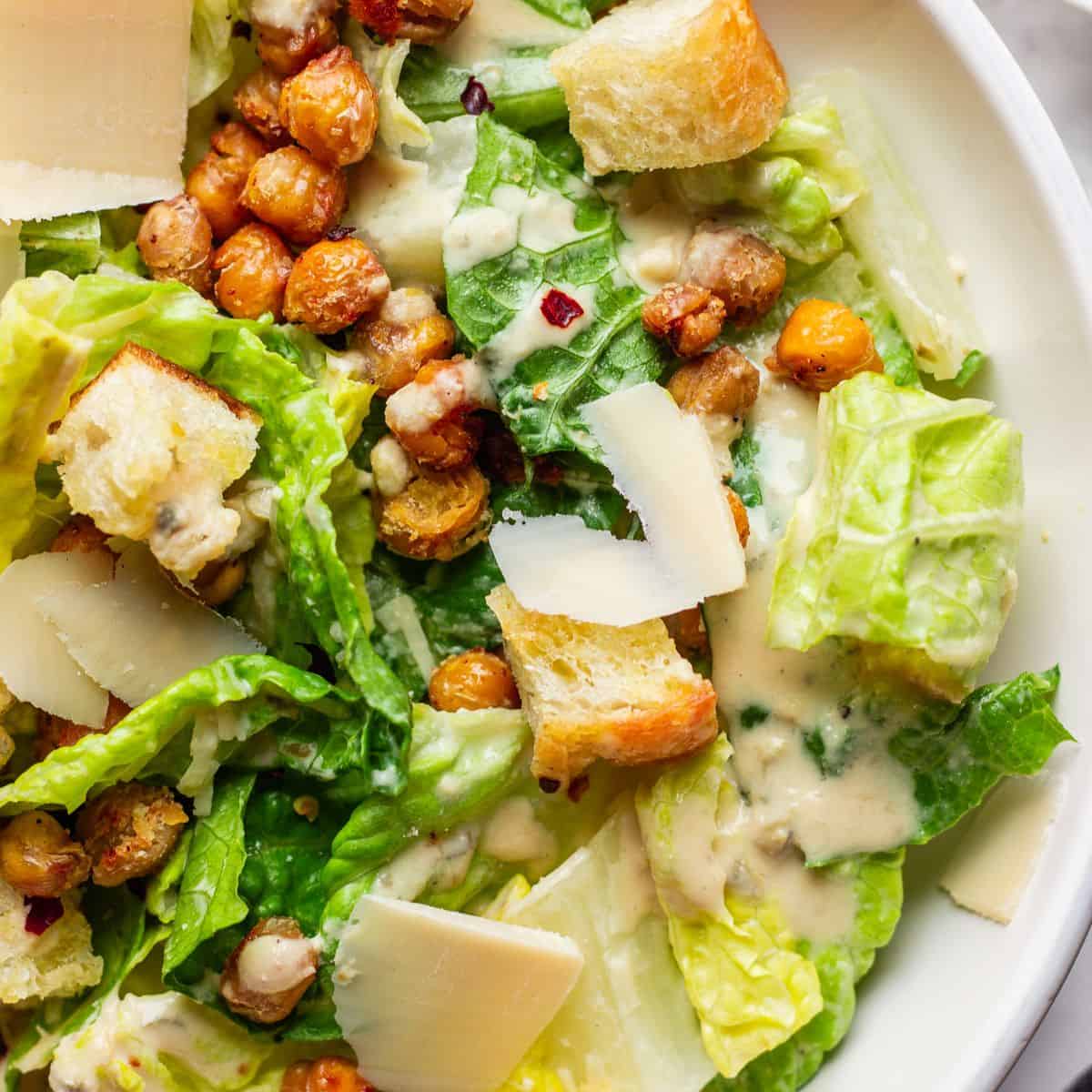
Next comes the all-important crunch factor. While traditional Caesar salads rely solely on bread croutons, the vegan version opens up a world of exciting possibilities. Crisp chickpeas are a fantastic, protein-packed alternative to conventional croutons. Roasted until golden and crunchy, perhaps tossed with a little olive oil, garlic powder, and smoked paprika, they offer a satisfying pop and a boost of nutrition. Alternatively, classic homemade garlic croutons are always a winner. You can easily make these by tossing leftover bread cubes with olive oil and garlic, then baking them in the oven until crispy, or even quicker in an air fryer. The texture of these crispy elements playing against the velvety dressing is what makes each bite truly satisfying.
But why stop there? Elevate your **plant-based caesar** with additional toppings that amplify its flavor and visual appeal. Fresh, creamy avocado, diced or sliced, adds a wonderful richness and healthy fats. Crispy fried capers are an absolute revelation; their intense briny crunch and savory burst are nothing short of swoon-worthy and act as another layer of umami that replaces the anchovy element. Finally, a generous sprinkle of vegan Parmesan, whether store-bought or homemade from nuts, provides that salty, nutty, cheesy flourish that ties everything together. The combination of these thoughtfully chosen components transforms a simple salad into a
crowd-pleasing vegan caesar masterpiece, ensuring every forkful is an adventure in taste and texture.
Why Choose Vegan Caesar? Health, Ethics, and Unforgettable Flavor
The surge in popularity of the **vegan caesar salad** isn't just a fleeting trend; it’s a testament to its incredible taste and myriad benefits. For many, the choice to go vegan or incorporate more plant-based meals stems from a desire for a healthier lifestyle, ethical considerations regarding animal welfare, or environmental concerns. This salad ticks all those boxes without compromising on flavor or satisfaction.
One of the primary reasons people are gravitating towards a plant-based Caesar is the avoidance of raw egg yolks and anchovies. These ingredients, while traditional, can be a source of apprehension for various reasons, from food safety concerns with raw eggs to an aversion to the strong fishy flavor of anchovies. The vegan version cleverly bypasses these, offering a clean, fresh taste that appeals to a broader palate.
From a health perspective, a **vegan caesar salad** often comes with a lighter nutritional footprint. By using cashews and plant-based ingredients, you're typically reducing saturated fat and cholesterol found in traditional dairy and egg-based dressings, while boosting fiber and essential nutrients. It’s a smart choice for anyone looking to eat well without feeling deprived.
Moreover, this salad is wonderfully versatile. It can be served as a sophisticated appetizer, a satisfying side dish, or transformed into a hearty main course with the addition of grilled plant-based protein (like marinated tofu or tempeh), extra roasted chickpeas, or a generous portion of avocado. It caters to a diverse range of dietary needs and preferences, making it truly "crowd-pleasing" in every sense of the word. Whether you’re a lifelong vegan, a curious flexitarian like the dad who once visited "The House of Foie Gras," or simply someone exploring healthier eating habits, this **tangy, creamy, no-anchovies** Caesar promises an unforgettable culinary experience that proves plant-based eating can be both decadent and delicious.
Tips for Your Best Vegan Caesar Yet!
Crafting the perfect **vegan caesar salad** is relatively straightforward, but a few insider tips can elevate your creation from good to absolutely glorious.
First, let's talk about those cashews. While an overnight soak in cold water is ideal for maximum softness and a perfectly smooth dressing, if you're short on time, a quick soak works wonders. Simply cover the cashews with boiling water and let them sit for 15-30 minutes until plump and tender. This ensures your dressing will be incredibly silky, without any grainy texture.
When blending, be patient! Scrape down the sides of the blender frequently to ensure all ingredients are thoroughly incorporated. You might need to add a touch of water or unsweetened plant milk (such as almond or soy) to achieve your desired consistency. Some prefer a thicker, richer dressing, while others might opt for something a little lighter. Don't be afraid to taste and adjust the seasonings – a little more lemon for tang, a dash more miso for umami, or an extra caper for brininess can make all the difference.
For the crunch components, preparing your crispy chickpeas or homemade croutons ahead of time can make assembling the salad a breeze. Roasted chickpeas can be stored in an airtight container at room temperature for a few days, maintaining their crunch. Similarly, croutons stay fresh and crispy for several days. The dressing itself is quite robust and can be made in advance, stored in a sealed jar in the refrigerator for up to 5-7 days. Its flavors tend to meld and deepen over time, making it an excellent meal prep component.
Finally, consider the presentation. A beautifully plated salad not only enhances the dining experience but also makes it more appealing to guests. Toss the romaine gently with the dressing just before serving to prevent the lettuce from wilting, then artfully arrange your crispy chickpeas, fresh avocado, fried capers, and vegan Parmesan on top. This ensures every component shines and provides that delightful contrast of textures and temperatures.
Conclusion
The **vegan caesar salad** is far more than just a plant-based alternative; it's a culinary triumph that stands proudly alongside its traditional counterpart. With its irresistibly tangy and creamy cashew-based dressing, crisp romaine, and a delightful symphony of crunchy toppings like roasted chickpeas and crispy fried capers, it delivers all the classic flavors and textures without the need for eggs or anchovies. This versatile, delicious, and deeply satisfying salad proves that plant-based eating can be both indulgent and accessible, delighting every palate and making it a true crowd-pleaser for any occasion. Give this vibrant, flavorful dish a try – you might just find it becomes your new go-to Caesar.